Advanced Layering Techniques: Building Depth and Dimension in Fabric Art
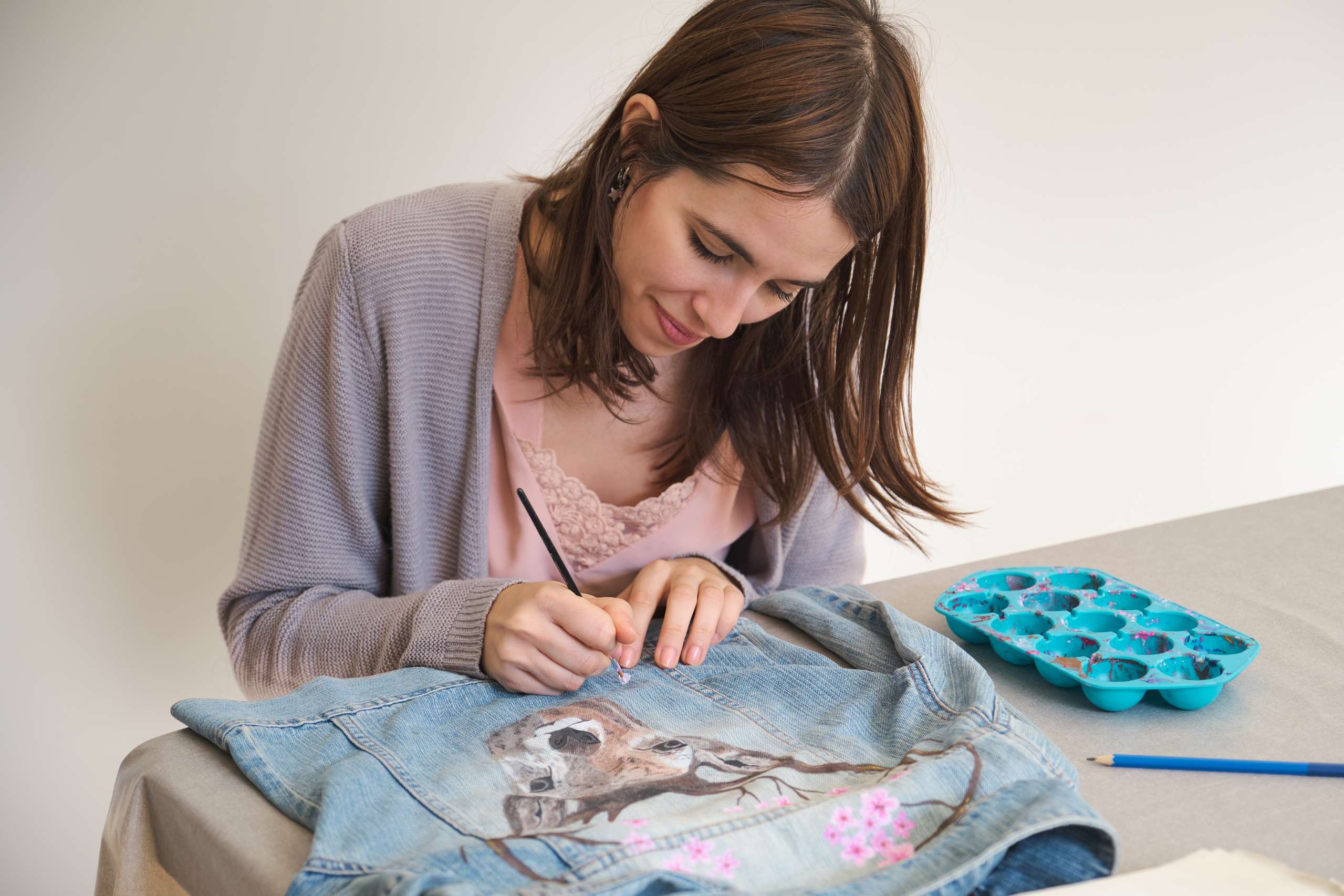
Layering in hand-painted apparel is like composing a symphony—each coat of paint adds harmony, contrast, and intrigue, turning flat designs into tactile experiences that beg to be touched. For those who’ve mastered basics, layering elevates your work from pretty pictures to immersive stories woven into the weave of the fabric. It’s not about piling on more; it’s about strategic addition that plays with light, shadow, and texture to make your art pop off the garment.
We’ll explore how to layer effectively, common pitfalls, and pro tips to achieve that gallery-worthy finish on everyday wear.
Understanding the Power of Layers
Layers create illusion: a simple mountain range becomes rugged with shadowed crevices; a portrait gains lifelike skin tones through translucent glazes. On fabric, this is crucial because movement (when worn) reveals hidden depths.
Key Benefits:
- Visual Interest: Layers add complexity without clutter.
- Durability: Proper layering seals in colors, preventing fade.
- Tactile Appeal: Subtle textures make the piece feel premium.
Start thinking in terms of “builds”—base, mid-tones, highlights, and accents—rather than single applications.
Materials That Make Layering Shine
Choose paints and tools designed for multi-layer work:
- Transparent fabric mediums for glazing (dilutes paint without losing adhesion).
- Opaque metallics or iridescents for final pops.
- Fine-liner brushes for precise overlays.
- Sponges or stippling tools for organic textures.
Pro Tip: Test compatibility on scraps—some paints crack if layered incorrectly.
Step-by-Step Layering Mastery
Phase 1: The Foundation Layer
Block in your core shapes with opaque base colors. Keep it simple and slightly lighter than your final vision, as overlays will darken and enrich.
- Dry thoroughly (use a fan for speed).
- Lightly sand with fine grit if the surface feels too slick.
Phase 2: Mid-Tone Builds
Add semi-transparent layers to sculpt form. Mix paint 1:1 with medium for glaze-like effects.
Technique Spotlight: Wet-on-Dry vs. Wet-on-Wet
- Wet-on-Dry: Crisp edges for defined shadows (apply over fully dry base).
- Wet-on-Wet: Soft blends for gradients (work quickly before base dries).
For a sunset hoodie, start with a yellow-orange base, then glaze purples and reds for dusk-like transitions.
Phase 3: Highlight and Shadow Play
Now the magic:
- Dry-brush highlights with a stiff brush dipped in light tones—drag lightly for subtle peaks.
- Stipple shadows with a sponge in darker shades for mottled depth.
- Add veining or cracks with a liner brush for realism in elements like wood or stone.
Phase 4: Final Accents and Seals
Seal with a clear fabric protector layer. Before that, incorporate surprises:
- Glow-in-the-dark overlays for hidden effects.
- Puff paint dots for raised textures.
- Metallic threads hand-stitched through painted areas.
Troubleshooting Layered Designs
Layers can go wrong—here’s how to fix:
If colors muddy: Use more medium next time; clean brushes between layers.
Cracking appears: Too thick—build thinner coats and heat-set between.
Design feels flat: Add contrast; audit for value range (light to dark).
Project Inspiration: A Layered Landscape Tee
Imagine a forest scene:
- Base: Broad green washes for foliage, blue-gray for sky.
- Mids: Olive glazes for tree trunks, dotted yellows for distant leaves.
- Highlights: White speckles for sunlight filtering through.
- Accents: Textured bark with sponge-applied browns.
Wear it, and as you move, the layers shift like a living vista.
Evolving Your Practice
Push boundaries by experimenting with unconventional layers: coffee stains for aged effects, salt crystals for crystalline textures during drying. Join online challenges to share your layered creations and learn from feedback.
In the end, advanced layering isn’t about complexity—it’s about intention. Each stratum tells part of the story, inviting viewers (and wearers) to linger longer. Your next garment could be the one that stops conversations mid-sentence. Layer up, and let the depth unfold.